
Our Impact
Evidence that clinicians participate, improve their decisions, and complete six learning rounds.
Measurable Progress
Measurable Progress
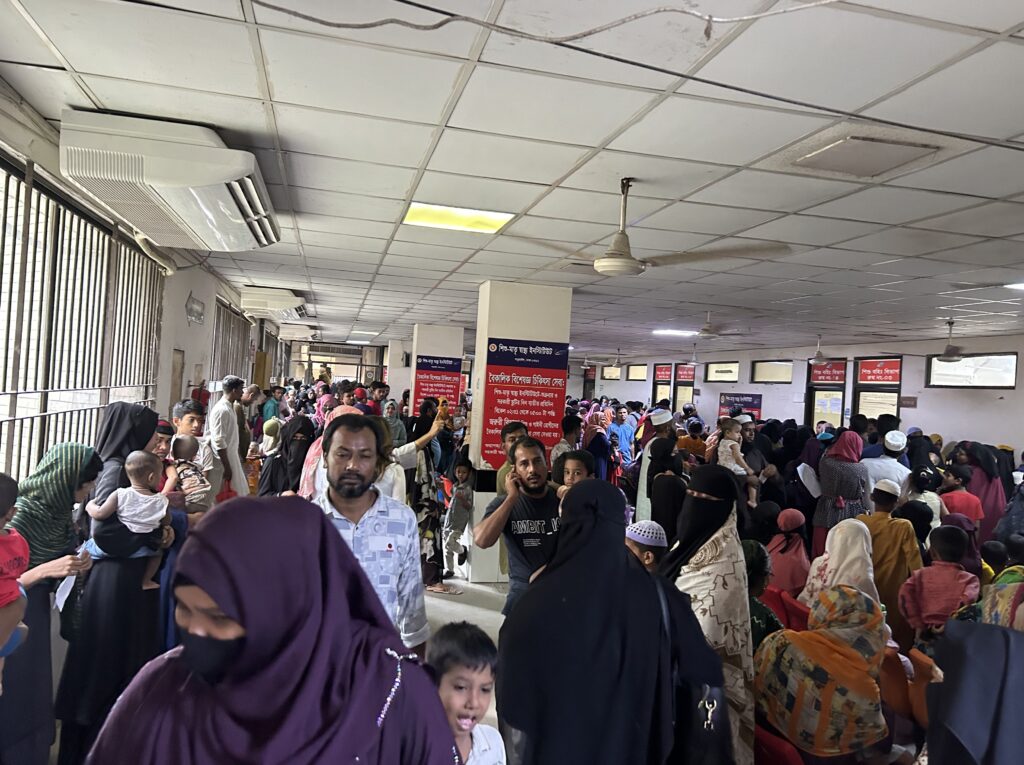
As of August 2026, more than 3,000 clinicians have participated in PHP programs, completed more than 20,000 cases, and reached an estimated 2.5 million patients through their clinical practice. Participation exceeds 90% among eligible clinicians at each PHP site in every round.
Local Ownership, Relevance, and Expansion
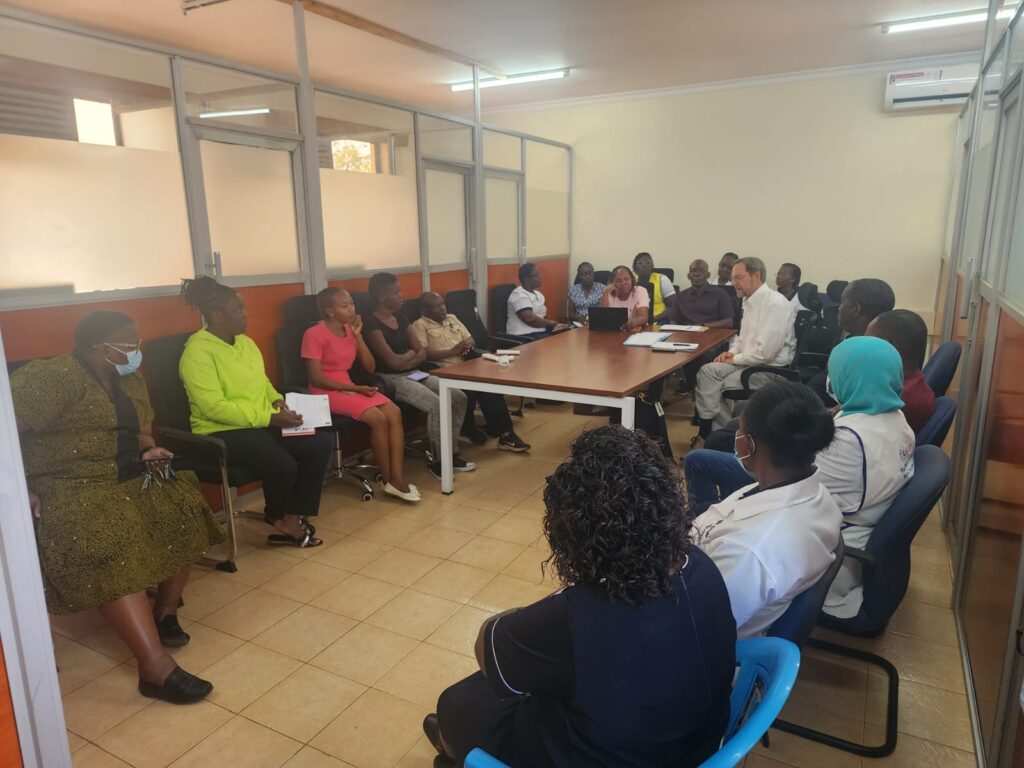
Clinicians, universities, ministries, hospitals, and implementation partners lead the work because they know the communities and health systems involved. PHP provides EQIS and teaches the method. Country partners manage implementation, cases, data, funding, and program decisions with PHP's support.
What Local Impact Looks Like
Private feedback after every submitted question supports reflection and improvement in a learning environment without punitive assessment.
Anonymous, aggregate results show shared strengths, gaps, and opportunities for focused improvement.
Local leaders gain the skills and data needed to manage cases, implementation, reporting, and sustainability planning.
More consistent, evidence-based decisions create a pathway toward safer care and better outcomes.
EQIS supports continuing education, licensing, relicensing, workforce development, and better use of resources.
Built Around Local Guidelines
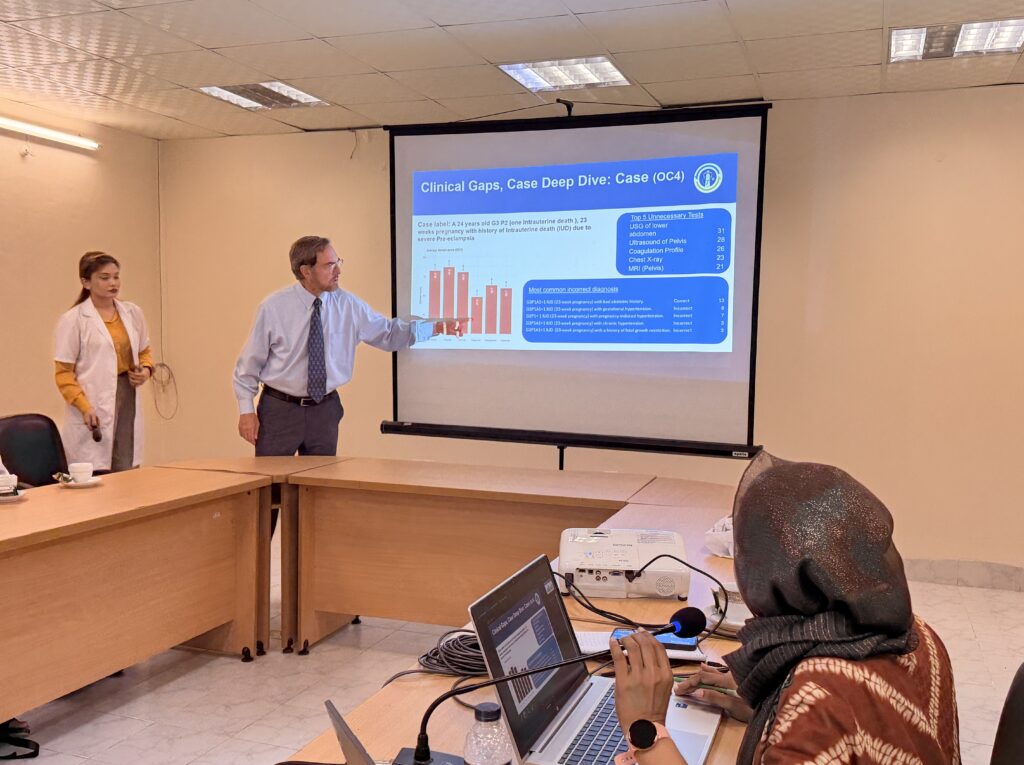
Physicians who practice in-country write or adapt EQIS scenarios. Scoring follows evidence-based recommendations adjusted to national guidelines, site resources, language needs, and patient-care conditions so the feedback is fair and useful.
Strengthening Local Capacity
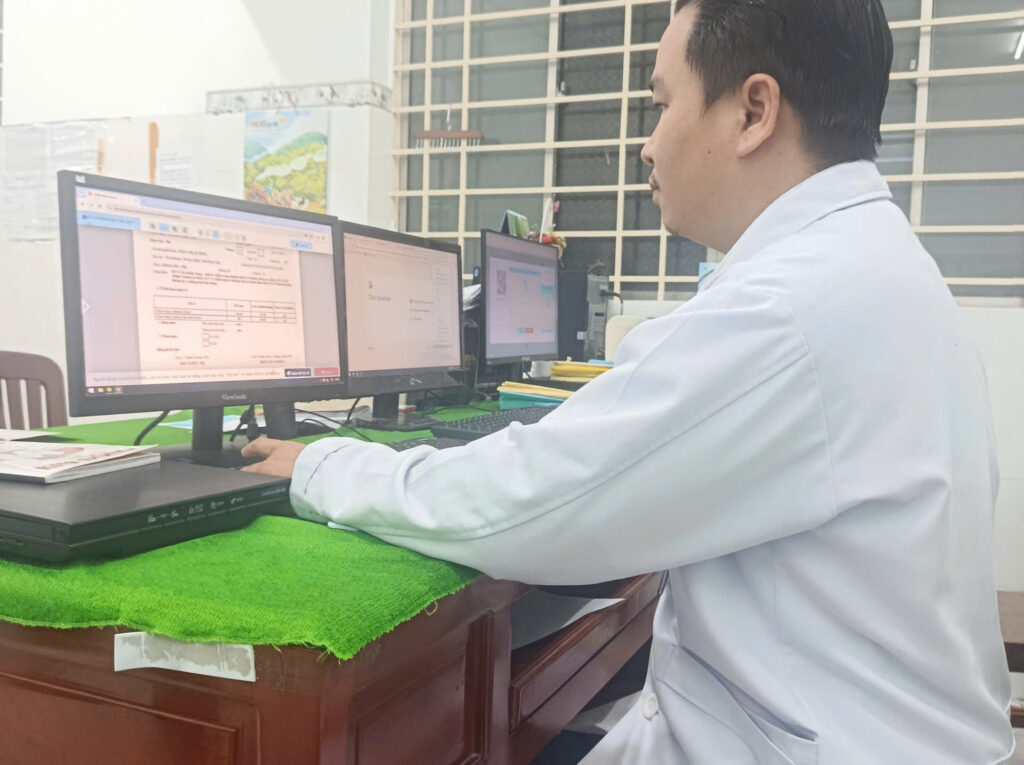
PHP teaches country partners to develop cases, use the platform, manage implementation, interpret analytics, produce reports, and lead feedback sessions. The partner leads implementation and gains the capacity to continue EQIS after PHP's initial support.
Sustainable Change
Government approval allows the local team to move from implementation toward a durable business model. Hospitals, payers, clinicians, and other users may pay the country partner for access, and the partner retains the revenue needed to operate and expand the program.
Country Ownership and Long-Term Sustainability
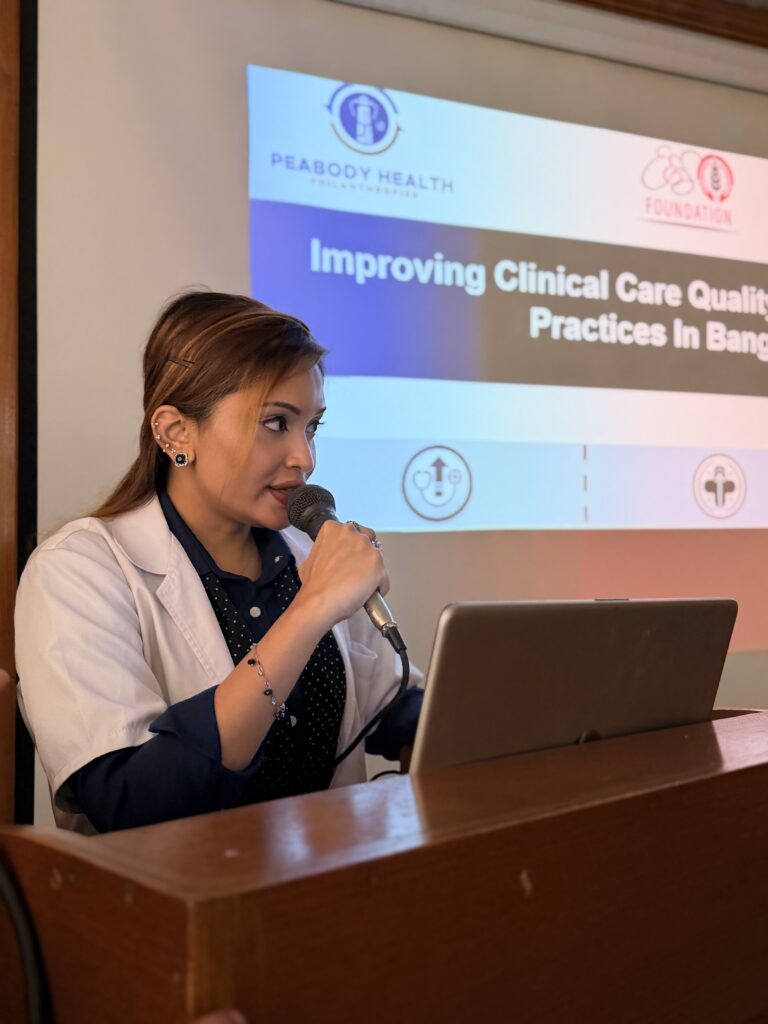
PHP owns EQIS and its intellectual property. Country partners control implementation and project data with PHP's support. This arrangement protects the method while giving country leaders authority over the decisions and resources that determine whether the program lasts.
What Donors Make Possible
Donor support makes it possible to open a complete EQIS program in a new geography. Because a project costs $200,000 to $300,000, gifts are pooled until PHP has the funding and country partnership needed to begin.
Donor support helps in-country physicians write, review, translate, and validate scenarios grounded in relevant guidelines and available resources.
Funding supports onboarding, three cases per round, immediate feedback, participation follow-up, and collaborative review of results over two years.
Gifts help PHP turn case data into anonymous, aggregate insights that guide clinicians, facilities, and partner leaders.
Unrestricted funding allows PHP to respond when trusted partners in high-need settings are ready to bring EQIS to new facilities and clinical areas.
Donors support government approval and the transition to operation by the country partner.
Global Impact
Explore the peer-reviewed evidence and implementation experience that support EQIS expansion across health systems.
Current Projects
See where PHP programs are active in Bangladesh, Kenya, and Vietnam and how each partnership is progressing.